Ultimate Guide To Japan With Kids

I decided to write this blog post because I know how overwhelming it can feel to plan a family trip. Whether you’re organizing a big family adventure or it’s just you and the kids, that “where do I even start?” feeling is completely normal. I’ve been there — juggling flights, hotels, and planning activities to do with kids — and I want to make it easier for you.
This is your ultimate guide to Japan with kids, packed with tips and insights to help you navigate planning your trip.
If you’re wondering what the best age is to take your kids to Japan, here’s the good news: any age works! Japan has this magical mix of ancient culture and futuristic fun that kids of all ages absolutely love — from curious toddlers to too-cool teenagers. Sure, planning is a little intimidating at first (especially with the language barrier and logistics), but with a bit of preparation, it becomes a smooth and exciting adventure.
Japan is incredibly family-friendly: it’s clean, safe, and surprisingly easy to get around. So take a deep breath, grab a cup of coffee, and let’s walk through this step-by-step together to plan an incredible trip to Japan with kids— you’ve got this, mama. ❤️
1. Deciding the Best Time to Visit Japan
Choosing when to visit Japan is one of the biggest decisions you’ll make — it affects everything from your budget and crowds to the kind of experiences your family will have. Whether you’re chasing cherry blossoms or autumn colors or dreaming of snow, each season in Japan has its own kind of magic (and a few challenges to keep in mind).
The Magic of Cherry Blossom Season (Spring)
Springtime in Japan — usually late March to early April — is pure magic. The famous cherry blossoms (sakura) blanket the parks, temples, and streets in soft pink petals, and it honestly feels like stepping into a storybook.
But here’s the thing: everyone wants to see it. Flights, hotels, and even train tickets sell out fast, and prices jump quite a bit. If your heart’s set on seeing the blossoms, that’s totally worth it — just be sure to plan and book early. I haven’t been to Japan in the spring yet, but I can imagine how magical it must be.
Managing the Summer Heat and Humidity
If you’re thinking about going in July or August, be ready for serious heat and humidity. Japanese summers can be tough — especially for little ones who love being outdoors. Long sightseeing days in extremely hot weather can feel exhausting, and you’ll want to plan lots of breaks, ice cream stops, and indoor activities.
If your dates are flexible, I’d recommend to consider late spring (May) or autumn (October–November) instead. The weather is more comfortable, the skies are clear, and you’ll spend less time worrying about sticky clothes and tired kids.
Autumn: Cool Weather and Stunning Views
Autumn (October to November) is one of the best times for a Japan family holiday. The weather is mild, the crowds are smaller, and the red and golden leaves make every walk picture-perfect. It’s also the best time to spot Mount Fuji.
From Kyoto’s famous temple gardens to the peaceful parks of Tokyo, the fall foliage is breathtaking — and it’s a dream season for family photos. 🍂Plus, you’ll find plenty of seasonal treats — like roasted sweet potatoes and chestnut desserts. If you want a trip that’s relaxed, beautiful, and easy to plan, autumn might just be the perfect time for your Japan family holiday.
A Winter Wonderland Adventure
Now, don’t rule out winter! ❄️ Japan in winter is absolutely beautiful — and perfect for families who love winter adventure. Head north to Hokkaido for world-class skiing, snow festivals, and fluffy powder snow that feels like magic.
You could even mix things up — spend a few days exploring Tokyo, then take the family on a cozy ski getaway. It’s a refreshing change of pace and a great way to experience a totally different side of Japan.
2. Double-Check Your Travel Dates and Flight Options
Once you’ve picked your travel dates, take a few extra minutes to double-check them against Japan’s national holidays and school vacation periods. During these times — like Golden Week (late April to early May) or Obon (mid-August) — flights and hotels can book out fast, and prices often jump.
Next, look at your flight options. Sometimes it’s cheaper (and more convenient) to fly into one city and out of another, like arriving in Osaka (Kansai Airport) and flying home from Tokyo, or vice versa. It can save time and make your itinerary flow more smoothly.
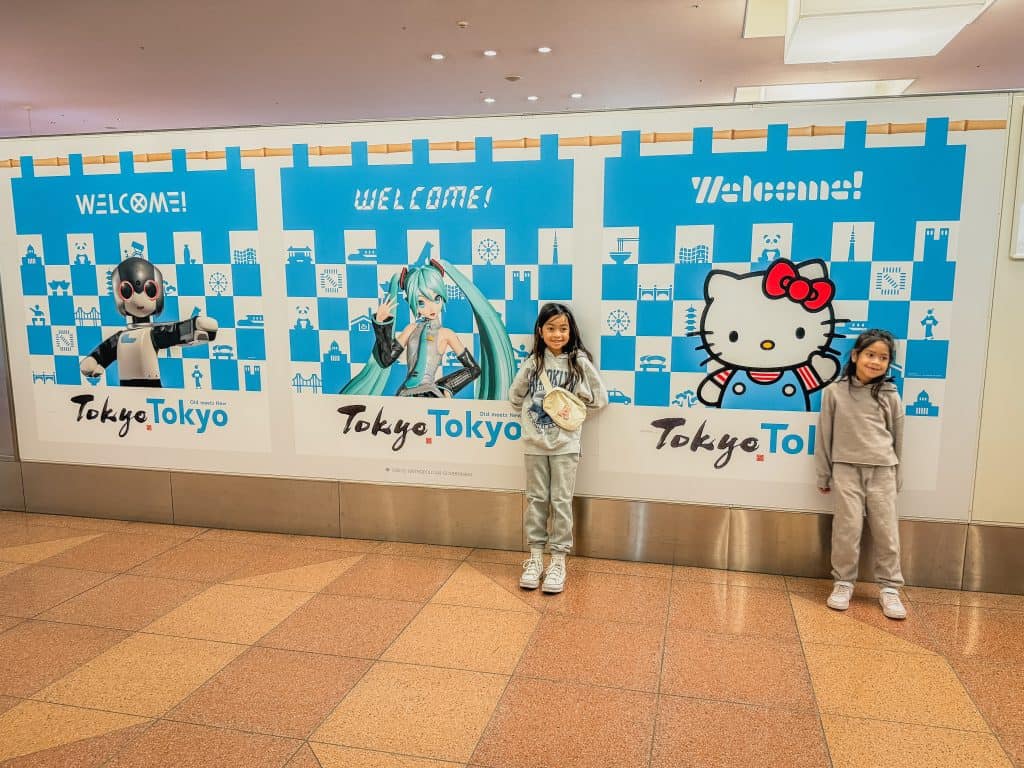
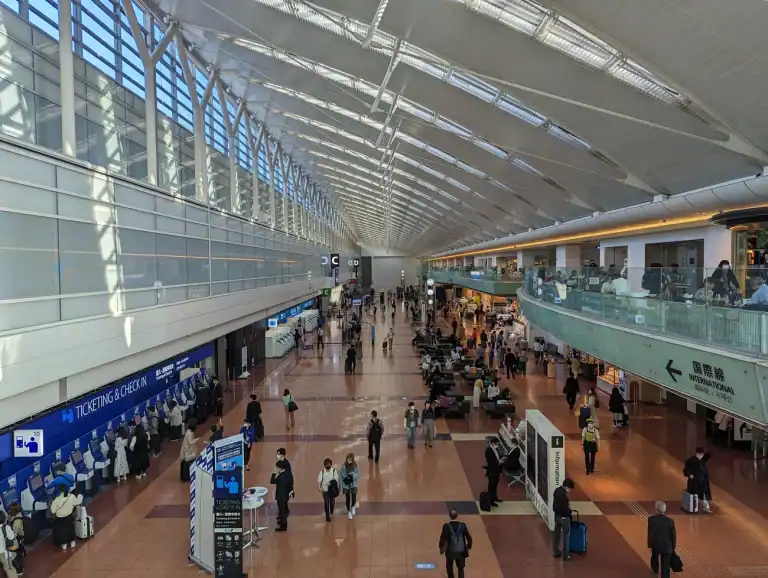
When it comes to Tokyo, remember there are two international airports — Narita and Haneda. If you can, try to fly into Haneda Airport. It’s only about 30 minutes from central Tokyo, compared to Narita’s 1.5- 2 hour journey. After a long flight with tired kids, that shorter trip makes a huge difference.
If you’re wondering how to get from the airport to your accommodation, don’t worry — Japan makes it easy. From trains and airport limousine buses to taxis and even luggage delivery services, there are plenty of family-friendly options.
Here’s a quick breakdown so you can decide what works best for your family:
🚆 Train: Fast and Efficient
Japan’s airport train services are clean, punctual, and easy to navigate — even with kids.
- From Haneda Airport: The Tokyo Monorail or Keikyu Line gets you to central Tokyo in about 30 minutes.
- From Narita Airport: Take the Narita Express (N’EX) or Keisei Skyliner — about 45–60 minutes to major stations like Tokyo or Ueno.
- From Kansai Airport (Osaka): The JR Haruka Express connects directly to Osaka and Kyoto in about 50–75 minutes.
🚌 Airport Limousine Bus: Easy and Family-Friendly
If your kids are exhausted and you just want to get to your hotel without worrying about transfers or train platforms, the Airport Limousine Bus is a total lifesaver. It’s comfortable, air-conditioned, and stops at major hotels and stations in Tokyo. They also come with free Wi-Fi and onboard toilets — huge bonus when traveling with little ones.
🕐 Before you go:
- Check the Airport Limousine Bus timetable — services don’t run all night, so make sure your flight time lines up with the last departure.
- Look at which stops are closest to your accommodation. You don’t need to stay at a hotel where the bus officially stops — just hop off at the nearest one and take a short taxi or walk the rest of the way.
💡 Mom Tip: Buy tickets at the airport counter or from the vending machines in the arrival hall — English-speaking staff are always available to help.
🚕 Taxi or Private Transfer: The Easiest Option (But Most Expensive)
If your flight lands late, or you’re traveling with toddlers and several bags, a taxi or private car might be worth it for the convenience.
- From Haneda: Around ¥8,000–¥15,000 ($50–$100) to central Tokyo plus 20% late-night surcharges.
- From Narita: Around ¥20,000–¥30,000 ($130+), depending on time and distance
📦 Luggage Delivery Service (Takkyubin)
One of the best-kept secrets of family travel in Japan is the Takkyubin (luggage forwarding) service. This service allows you to send your large suitcases from one hotel to the next for a reasonable fee. It is an absolute lifesaver for parents navigating busy train stations with strollers and children in tow. You can travel light with just a small overnight bag and find your main luggage waiting for you at your next destination.
- Cost: Around ¥2,000–¥3,000 per bag ($15–$25).
- Delivery Time: Usually 24–48 hours.
💡 Game Changer: If your flight arrives super early and your hotel check-in isn’t until the afternoon, this service is a total lifesaver. You can drop off your luggage right at the airport and head out to explore hands-free while your bags make their way to your hotel.
At-a-Glance: Japan’s Main Airports:
| Airport | City / Region | Distance to City Center | Average Travel Time | Best Family Transport Option | Tip |
| Haneda Airport (HND) | Tokyo | ~20 km (12 miles) | 🚆 ~30 minutes | Airport Limousine Bus or Keikyu Line / Monorail | Closest to Tokyo; perfect if you’re arriving late or traveling with kids — less travel after landing. |
| Narita Airport (NRT) | Tokyo | ~60 km (37 miles) | 🚆 ~45–60 minutes (Skyliner / N’EX) or 🚌 ~90 minutes | Narita Express (N’EX) or Airport Limousine Bus | Great for long-haul flights, but farther from the city — plan extra time with little ones. |
| Kansai Airport (KIX) | Osaka | ~50 km (31 miles) to Osaka | 🚆 ~50–75 minutes | JR Haruka Express or Airport Limousine Bus | Ideal for Western Japan trips — Osaka, Kyoto, and Nara are all easy to reach from here. |
If you’re wondering what to actually do once you land — from getting cash and Wi-Fi to handling jet lag with kids — read my Arrival Day Tips for Families in Japan here It’s packed with practical, mom-tested advice to make your first day smooth and stress-free.
3. Start Planning (and Budgeting) for Accommodation and Transportation
Okay, your flights are sorted — exciting! 🎉 Now it’s time to figure out where your family will stay and how you’ll move around once you arrive. These two things will take up a big part of your budget, so a bit of planning now can save you money and stress later.
Japan is incredibly popular right now, and hotel availability fills up fast. Most hotels open their booking calendars around 6 months in advance. Large international chains may open 9–12 months ahead, while traditional inns (ryokans) often release rooms about 3 months before your stay.
The time of year matters too. Travel during peak seasons like cherry blossom season or autumn means higher prices and fewer options, especially for family-sized rooms. If you can, book as early as possible — even if you choose a flexible rate and adjust later.
Japan offers a huge range of places to stay, and we’ve tried a bit of everything — Airbnbs, large hotels, small traditional ryokans, and even onsen spa stays. It can be fun to mix things up, but it’s important to know what you’re booking.
The ultimate guide to Japan with kids encourages families to engage with local culture and traditions.
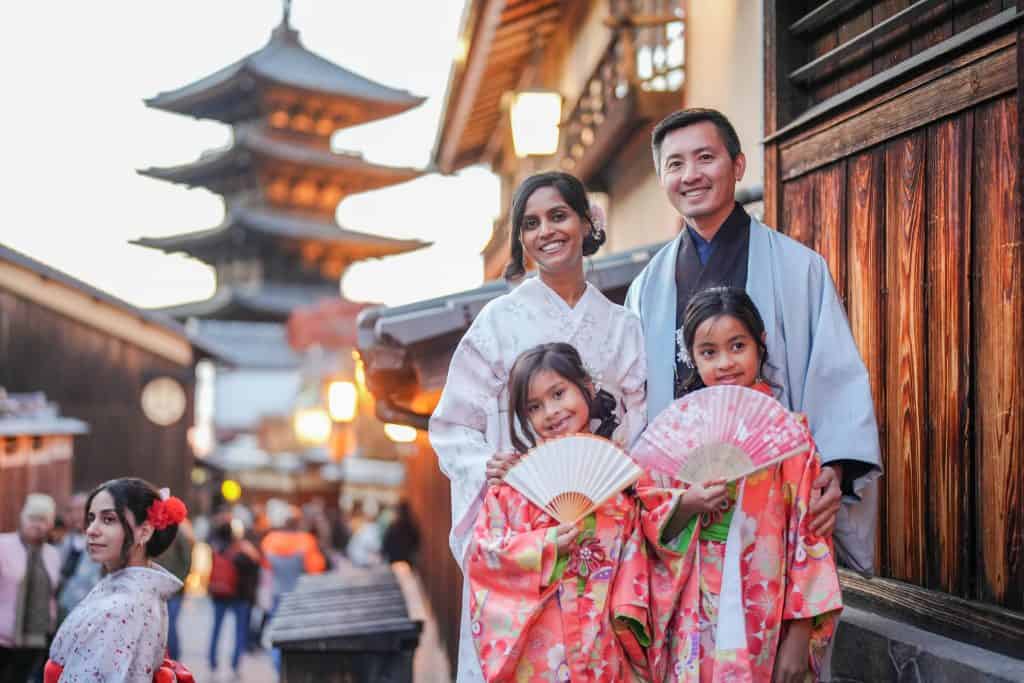
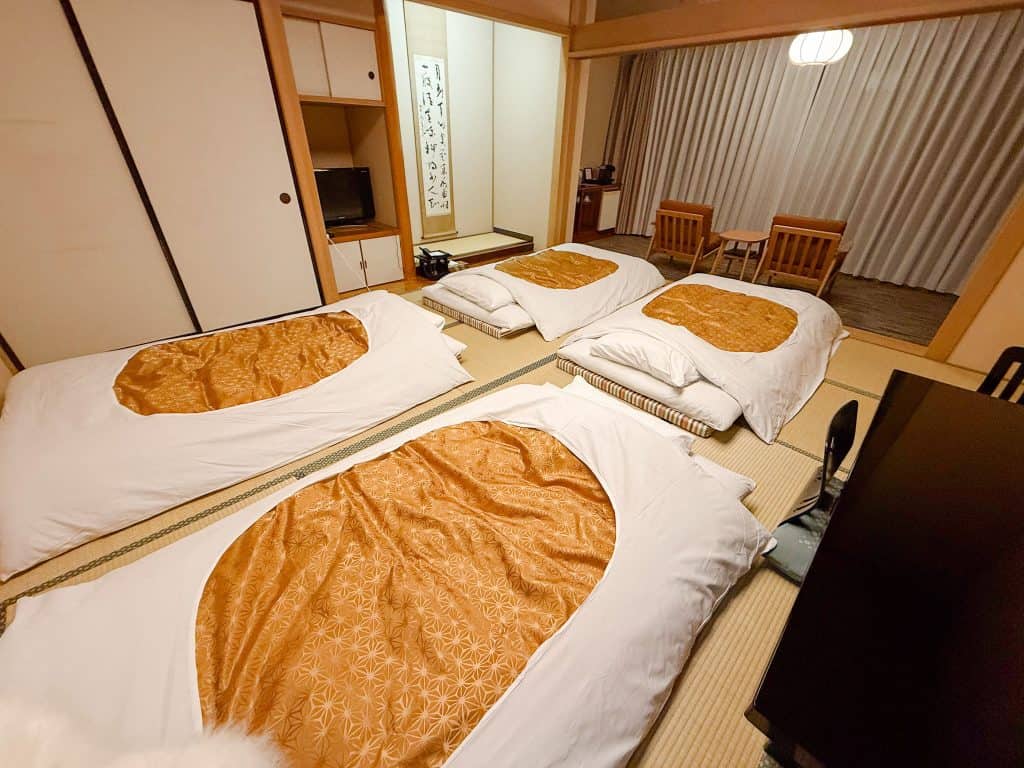
Many traditional Japanese ryokans don’t have Western-style beds. Instead, you’ll usually sleep on futons — padded mats laid out on tatami floors each night, with thick, cozy bedding. Some families love this setup, while others prefer standard beds, so it’s worth checking room details before you book.
🚉 Where to Stay in Japan
Stay Near a Train Station — It’s a Total Game Changer
If there’s one piece of advice to remember, it’s this: stay within walking distance of a train station.
You will be using trains every day — there’s really no way around it. Being close to a station (ideally 5–10 minutes on foot) makes everything easier — from sightseeing to grabbing snacks to getting back to your room when everyone’s tired.
💡 Why it matters:
- It saves you time (and sanity) when you’ve got tired kids or strollers.
- You’ll have easy access to multiple train lines — perfect for day trips.
- It makes it simple to hop between neighborhoods without long walks or transfers.
🏙️ Where to Stay in Tokyo (Family-Friendly Areas)
| Area | Why Families Love It | What to Know | Our Favorite Stays |
| Tokyo Station / Ginza | Super central, clean, and perfect for day trips (easy Shinkansen access). | Great for families planning to travel to Kyoto or Osaka next. | 🏨 Hotel Ryumeikan Tokyo — spacious rooms + 3 mins from Tokyo Station. |
| Shinjuku | Full of restaurants, shopping, and parks; unbeatable connections. | Busy area, but family-friendly near Shinjuku Gyoen Park. | 🏨 Hotel Century Southern Tower — modern, family rooms with great |
| Shibuya | Trendy, walkable, and great for older kids/teens. | Convenient for sightseeing, can be crowded at rush hour. | 🏨 Shibuya Stream Excel Hotel Tokyu 🏨 Hotel Indigo Tokyo Shibuya— stylish, close to the station. |
| Ueno / Asakusa | Great for younger kids — near zoo, museums, and temples. | More relaxed vibe, slightly older hotels but our | 🏨 Mimaru Tokyo Ueno East 🏨 Mimaru Asakusa Station – apartment-style rooms with kitchens |
| Tokyo Disney Resort | Perfect if you’ll visit Disneyland or DisneySea more than once. | About 30 minutes to central Tokyo by train. | 🏨 Hilton Tokyo Bay— magical stay with easy park access. |
⛩️ Where to Stay in Kyoto (Family-Friendly Areas)
| Area | Why Families Love It | What to Know | Our Favorite Stays |
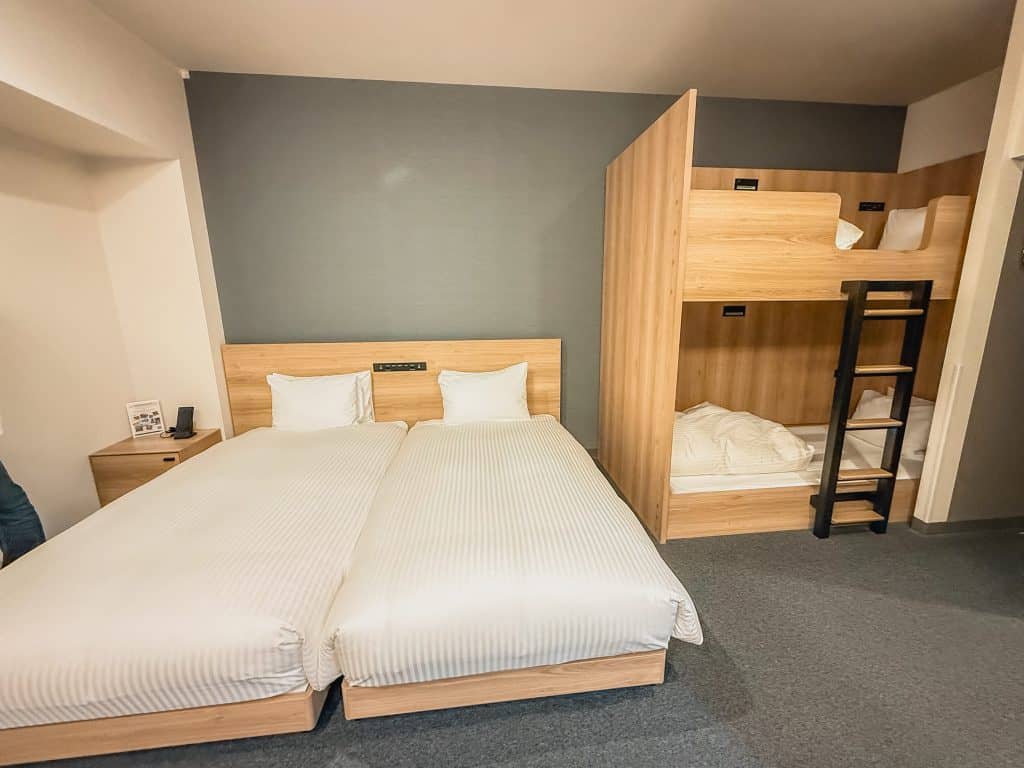
| Kyoto Station Area | Central hub for day trips; easy luggage transfers and restaurants. | Not as scenic but super convenient for families. | 🏨 Hotel Granvia Kyoto — inside the station, ideal for families. Another option that we loved right next to Kyoto Kawaramachi Station: 🏨 Hyatt Place Kyoto |
| Gion / Higashiyama | Beautiful traditional streets and cultural charm. | Can get crowded — stay slightly away from the main tourist lanes. | 🏨 The Hotel Seiryu Kyoto Kiyomizu — modern with traditional touches. |
| Arashiyama | Near the Bamboo Grove and Monkey Park; peaceful and scenic | A bit removed from downtown. | 🏨 Shibuya Stream Excel Hotel Tokyu —— ryokan-style with family-friendly rooms. |
💡 Mom Tip: Kyoto’s buses are slow in traffic — staying near a train or subway line will make sightseeing easier, especially with little kids.
🍜 Where to Stay in Osaka (Family-Friendly Areas)
| Area | Why Families Love It | What to Know | Our Favorite Stays |
| Namba / Dotonbori | Bright lights, street food, and family-friendly fun. | Busy but lively — great if you and your kids love energy and color. | 🏨 Cross Hotel Osaka — modern, family rooms, steps from Dotonbori. 🏨 Mimaru Osaka Namba Station – apartment-style rooms with kitchens and pokemon rooms |
| Shin-Osaka | Perfect for bullet train travelers and day trips to Kyoto/Hiroshima. | Quiet area, less nightlife. | 🏨 Courtyard by Marriott Shin-Osaka Station — reliable comfort right by trains. |
| Osaka Bay (Universal Studios) | Perfect if you’re spending time at Universal Studios Japan. | Farther from downtown nightlife but quieter for families. | 🏨 The Park Front Hotel at Universal Studios Japan — fun and themed for kids. |
When booking accommodation, use sites that offer free cancellation — like Booking.com OR Agoda.com so you can adjust plans if prices drop or your itinerary changes.
💡 Pro Tip: Hotels in Japan are incredibly punctual and organized — so if you book early and later see a better deal, cancel and rebook. It’s that simple!
🚆 How You’ll Get Around
Getting around major cities in Japan is easy once you get the hang of it. The trains are super convenient and make moving between areas pretty straightforward. Here are some tips that will help you navigate the transport system.
- Trains will be your main way of getting around, especially in cities.
- They’re clean, safe, frequent, and very reliable.
- You cannot reserve seats on local lines or rapid service trains.
- Google Maps works extremely well in Japan, so you don’t need to plan every route in advance.
- You generally don’t need a car in places like Tokyo, Kyoto, or Osaka.
- For longer distances, bullet trains are fast, comfortable, and surprisingly stress-free for families.
🚅 Reserving Bullet Trains (Quick & Simple)
Most of the time, you don’t need to book bullet trains far in advance — except during peak travel periods.
During Golden Week, Obon, and New Year, most seats on Nozomi bullet trains become reserved-only, so booking ahead is strongly recommended.
You can reserve seats:
- at major train stations once you arrive
- online via Japan Bullet Train or SmartEX
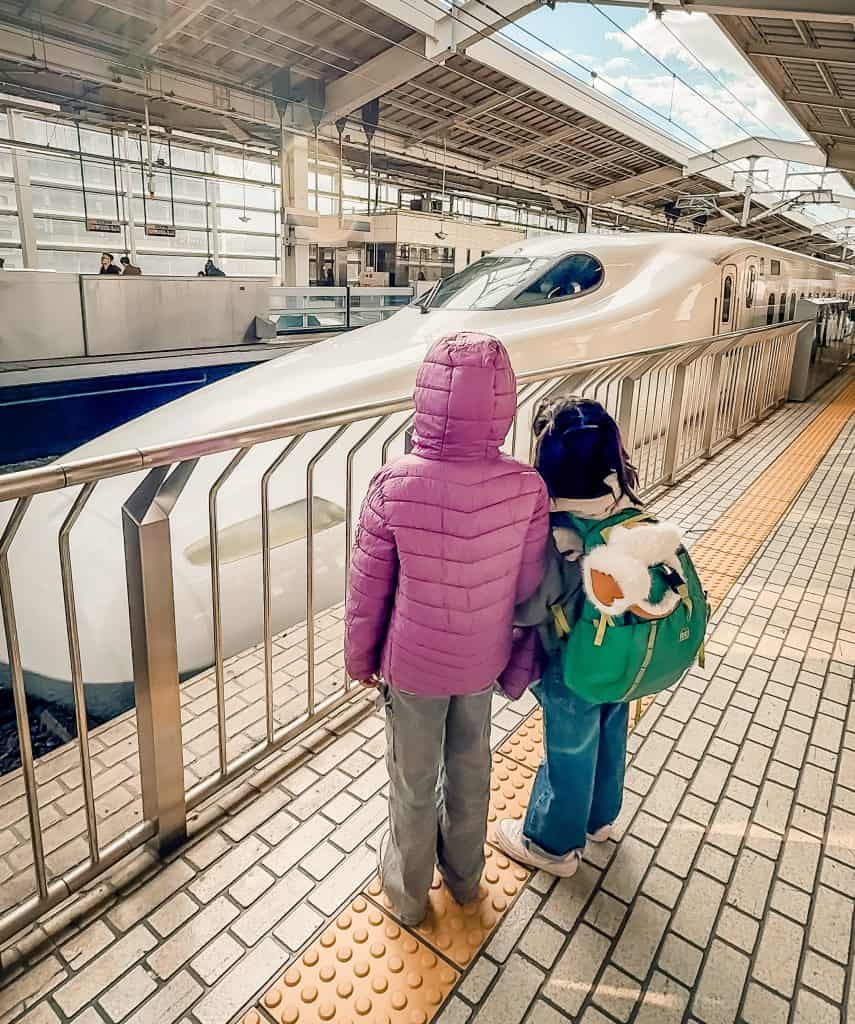
Japan Bullet Train is especially easy for families:
- Fully English-language service
- Choose your train time and request specific seats
- Receive a QR code to scan at the station ticket machine
- You can book as late as 3–5 hours before departure
💡 Money-saving tip:
Japan Bullet Train charges a ¥2,000 processing fee per booking, so buy all your tickets in one transaction if possible.
🎫 A Quick Note on the JR Pass (Do You Need One?)
The JR Pass is a discounted rail pass for tourists, but it’s no longer a must-have for every Japan trip.
Since prices increased, the JR Pass now only makes sense if:
- You’re taking multiple long-distance bullet train trips (for example: Tokyo → Kyoto → Hiroshima → Tokyo), or
- You’re moving cities frequently over a short period of time
If your trip is mostly based in one or two cities, or you’re only taking only one or two long bullet train ride, buying individual tickets is usually cheaper and more flexible.
💡 Tip:
Before buying a JR Pass, quickly map out your major train journeys and compare the total cost here.
4. Map Out the City by Areas (and Smart Day Trips!)
Before you start locking in activities, take a little time to map out each city by area.
Tokyo (and other big Japanese cities) aren’t places where you can easily “hop across town” between sights — even short distances can take up to an hour by train once you factor in walking, connections, and crowds.
💡 Mom Tip: Think of each area as its own “mini-adventure.” Grouping activities by area will save you so much time and energy — and make each day feel smoother and less rushed.
🗾 How to Plan by Area
Start by looking at a city map (Google Maps is great) and pinning the main attractions you want to visit. You’ll quickly notice that many cluster together naturally — that’s how you’ll want to plan your days.
🗼 Tokyo — Explore by Area
| Area | What to Explore |
| Asakusa & Ueno | Senso-ji Temple, Nakamise Street, Tokyo SkyTree, Ueno Zoo, Ameyoko Market |
| Harajuku • Shinjuku • Shibuya | Meiji Shrine, Takeshita Street, Shibuya Crossing, Shinjuku Gyoen Park, Godzilla Head, 3D Cat |
| Nihonbashi & Tokyo Station Area (Pokémon Café + Character Spots) | Pokémon Café, Pokémon Center Tokyo DX, Tokyo Character Street (inside Tokyo Station), KitKat Chocolatory |
| Odaiba / Tokyo Bay | TeamLab Planets, Palette Town, Legoland Discovery Center, Daiba Park |
| Tokyo Disney Resort (Maihama) | Disneyland or DisneySea |
🚆 Easy Day Trips From Tokyo
| Destination | Travel Time (One Way) | What to See / Do |
| Nikko | ~2 hrs (Tobu Railway from Asakusa) | Toshogu Shrine UNESCO site, Shinkyo Bridge, Kegon Falls |
| Kamakura & Enoshima | ~1 hr (Sobu Line or Enoden Railway) | Great Buddha (Daibutsu), Hasedera Temple, beachfront walks |
| Mt. Fuji | ~2 hrs (Ltd Express from Shinjuku → Kawaguchiko) | Fuji Five Lakes region (around Kawaguchiko) – Iconic Chureito Pagoda – Mt. Fuji Panorama Ropeway – Oshino Hakkai Village – Oishi Park – Honcho Street |
| Yokohama | ~40 min (by JR or Keikyu Line) | Cup Noodles Museum, Red Brick Warehouse, Cosmo World Ferris wheel |
🗼 Planning your Tokyo days? Read my full Tokyo 5-Day Itinerary for Families 🌸
🏯 Kyoto by Area
| Area | What to Explore |
| Central Kyoto | Kyoto Tower, Nishiki Market, Pontocho Alley, Nijo Castle illumination |
| Eastern Kyoto (Gion & Higashiyama) | Kiyomizu-dera Temple, Yasaka Shrine, Gion Streets Ninenzaka, Sannenzaka |
| Arashiyama (Western Kyoto) | Otagi Nenbutsuji Temple, Adashino Nenbutsuji Temple, Arashiyama Bamboo Grove, Nisonin Temple, Monkey Park, Togetsukyo Bridge |
| Southern Kyoto (Fushimi Inari & Daigo-ji) | Fushimi Inari Taisha (1000 Torii Gates), Daigo-ji Temple, Fushimi Sake District |
| Northern Kyoto (Kita Ward) | Kinkaku-ji (Golden pavillion), Ryoan-ji (Zen rock garden), Ninna-ji Temple, Kyoto Imperial palace |
🚆 Easy Day Trips from Kyoto
Kyoto is beautiful on its own, but its central location in Kansai makes it a fantastic base for easy day trips — you can reach historical towns, scenic nature spots, or even Osaka and Nara within an hour or two.
| Destination | Travel Time (One Way) | What to See / Do |
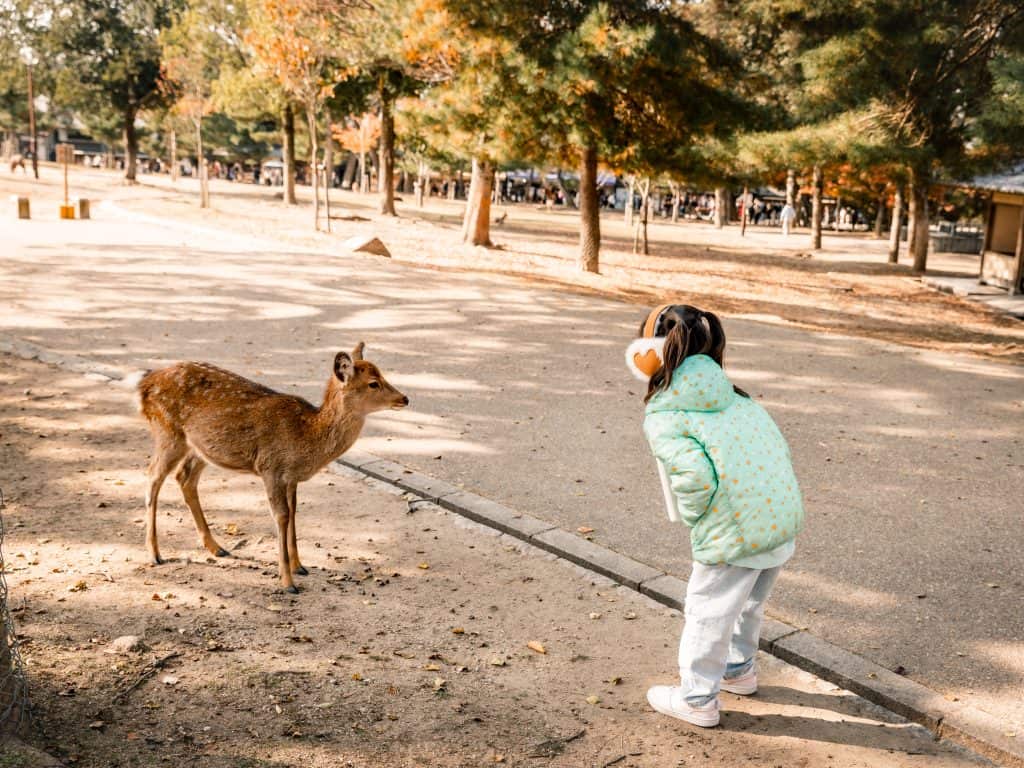
| Nara | ~45 min (JR or Kintetsu Line) | Nara Park (deer feeding), Todai-ji Temple (Great Buddha), Naramachi Old Town, Kasuga Taisha Shrine, Kofuku-ji Temple |
| Uji | ~20 min (JR or Keihan Line) | Byodo-in Temple, Uji River Walk, Matcha cafes |
| Osaka | ~30–45 min (JR Special Rapid or Hankyu Line) | Osaka Castle, Dotonbori, Universal Studios Japan |
🏯 Planning a trip to Kyoto or a Day Trip to Nara?

🍵 Read my full Kyoto 5-Day Itinerary

🦌 Nara Day Trip from Kyoto Guide
🍜 Osaka by Area
| Area | What to Explore |
| Namba & Dotonbori | Dotonbori Street, Shinsaibashi Shopping Arcade, Kuromon Market |
| Osaka Castle & Surrounds | Osaka Castle, Nishinomaru Garden, Kids Plaza Osaka |
| Osaka Bay Area | Universal Studios Japan, Osaka Aquarium Kaiyukan, Tempozan Ferris Wheel |
5. Write Down Your Must-Do Activities & Time Them for the Least Busy Days of the Week
Now that you’ve got your cities mapped and accommodation sorted, now comes the fun part — planning what you’ll actually do!
Japan has so much to offer that it’s easy to feel overwhelmed at this stage.! From world-class theme parks to interactive museums, character cafes, tranquil temples, there’s truly no shortage of things to do — which is why a little pre-planning goes a long way.
Having a list of your must-do activities will help you prioritize early bookings, budget properly, and plan your days around the least busy times of the week.
💡 Mom Tip: Grab a notebook or open a new note on your phone. Create four columns —
City, Activity, Booking Needed?, and Approx. Cost.
Then fill it in as you go — it’s the easiest way to stay organized.
💡 Rule of thumb:
One “big” thing a day + one easy thing = happy kids (and parents).
⏰ When Bookings Open for Japan’s Most Popular Attractions
Rely on the ultimate guide to Japan with kids to help you discover hidden gems that are perfect for your family.
If any of these are high on your family’s wish list, it’s worth knowing when tickets are released, as many sell out quickly.
- Shibuya Sky — Tickets open 30 days in advance. Sunset time slots sell out very fast.
- teamLab Planets and teamLab Borderless — Tickets available up to 2 months in advance.
- Ghibli Museum — Tickets go on sale at 10:00 am JST on the 10th of each month for the following month.
- Tokyo Disneyland — Tickets typically open 2 months in advance at 2:00 pm JST and cannot be purchased at the gate.
- Universal Studios Japan — Tickets usually available around 2 months in advance. Strongly consider pre-purchasing Express Passes.
- Grand Sumo Tournament — Tickets go on sale about 6 weeks before each tournament.
- Wander through a bamboo forest
- Soak in an onsen
- Go izakaya hopping
- Explore teamLab installations
- Dine at a themed restaurant (Pokémon Café)
- Join a food tour or Japanese cooking class
- Visit shrines and temples
- Visit a Japanese castle
- Witness sumo wrestlers in action
- See snow monkeys at Jigokudani Park
- Ride a bullet train
- Catch a glimpse of Mount Fuji
- Stay in a ryokan
You don’t need to do everything — even one or two of these can become a core family memory.
6. Credit Cards & Cash in Japan
For as modern as Japan feels, cash is still very important — especially when traveling with kids.
While larger hotels, department stores, and chain restaurants usually accept credit cards, many smaller restaurants, shops, temples, and local attractions are cash-only. You’ll also often need cash to top up Suica/PASMO cards, use vending machines, or pay at smaller train stations.
💡 Parent rule of thumb:
Try to have the equivalent of about $100- $200 USD in yen on you at all times.
💴 Getting Cash in Japan
You’ll likely need to withdraw cash during your trip, and the easiest way to do this is once you arrive.
- 7-Eleven ATMs are the most reliable for international cards
- They’re found everywhere and usually have low withdrawal fees
- Instructions are available in English
- This is my go-to option for getting cash in Japan
- Let your bank know you’re traveling before you leave, and check any international withdrawal fees so there are no surprises.
- Consider using a Charles Schwab debit card or Wise debit card for low or no foreign ATM fees
7. Language in Japan & Simple Phrases to Know
If you’re planning your first trip to Japan, you’re probably wondering if you need to know the language. You’ll find a spectrum of English in Japan. I would lean in and say it’s more common in the big cities to find someone who speaks English but in the countryside, you’ll be hard-pressed.
I always recommend learning a few keywords and phrases to show respect in the country you’re visiting and make communication with locals easier. I studied Japanese with Rosetta Stone before my trip and am happy I did. It was an amazing way to connect with the local Japanese people.
Here are some useful Japanese words and phrases you should know:
- (Konnichiwa) – Hello
- (Ohayou gozaimasu) – Good morning
- (Konbanwa) – Good evening
- (Arigatou) – Thank you
- (Arigatou gozaimasu) – Thank you (polite)
- (Sumimasen) – Excuse me / Sorry
- (Gomen nasai) – I’m sorry
- (Hai) – Yes
- (Iie) – No
- (Ikura desu ka?) – How much is it?
- (Kore wa nan desu ka?) – What is this?
- (Eigo o hanasemasu ka?) – Do you speak English?
- (Toire wa doko desu ka?) – Where is the toilet?
Travel Tip: If you find yourself in a situation where the language barrier is tougher to navigate, the Google Translate app can be quite helpful (be sure to download the Japanese language in advance so it will also work offline!). You can also literally hold the app above menus and it will translate immediately.
8.Staying Connected in Japan: SIM Cards, Pocket Wi-Fi & Data
You’ll need internet immediately upon arrival in Japan — for navigating trains, checking directions to your accommodation, translating signs, and messaging family back home. Having data sorted in advance makes arrival day far less stressful. The good news? Staying connected is simple. Choose from either pocket wifi, a local SIM card, or an eSIM.
Pocket WiFi
A pocket Wi-Fi is a small portable device that lets you connect to the internet on the go, and it’s a popular option for families or groups. Multiple phones and tablets can connect to the same device at once, giving everyone access to 4G/5G data for things like Google Maps, Google Translate, and messaging apps.
The main thing to keep in mind is that the device needs to be charged and carried with you to stay connected. If your group splits up, only the people with the device will have internet access. For families who plan to stay together most of the time, this usually isn’t an issue — but it’s something to be aware of.
SIM or eSIM
Roaming with your regular cell provider can get expensive very quickly, which is why using a local data SIM or eSIM is often a more affordable and convenient option in Japan.
An eSIM is especially easy — you can set it up before you leave home and land in Japan already connected. I personally recommend Saily, which lets you activate your eSIM in advance and avoid lining up at the airport.
👉 You can check eSIM options with Saily here: Use code MONA5 for 5% off.
Another option is picking up a physical local SIM card at one of the airport counters when you arrive. This works well too, but can take extra time after a long flight.
Using a SIM or eSIM is a great choice if you want each adult to have their own connection and don’t want to worry about carrying, charging, or sharing an extra device like pocket Wi-Fi. Just be sure to check with your cell provider before you go to confirm that your phone is unlocked and compatible.
9. Japan Etiquette: What Families Should Know
Japan has a strong culture of respect and consideration, but you don’t need to worry about knowing every rule. As visitors — especially with kids — a little awareness goes a long way, and locals are generally very understanding.
Here are a few simple etiquette tips that will help you feel more confident while traveling.
- Don’t Talk Loudly : In public spaces, quiet is appreciated. On trains and buses, people tend to speak softly and avoid phone calls. Kids don’t need to be silent (locals know kids are kids), but keeping voices lower than usual is a good goal. At shrines and temples, be respectful. Walk calmly and follow posted signs. Photography may be restricted in certain areas.
- Eating in Public : Walking and eating in the street isn’t something that is done in Japan. It’s considered rude, so avoid eating while walking. It’s best to stand to one side near where you purchased your food, such as just outside a convenience store. That said, grabbing a snack in parks, at festivals, or on long-distance trains is completely fine.
- Cash handling is very formal: When paying, many places have a small tray for money or cards — use it instead of handing items directly to the cashier when possible.
- Tipping Culture: Tipping is not expected in Japan and can even feel awkward. Great service is simply part of the culture.
- Trash Etiquette (This One Surprises Most Visitors): Despite Japanese cities being incredibly clean, trash cans are surprisingly hard to find. The expectation is that people carry their rubbish with them until they can dispose of it properly. Carry a small plastic or zip-lock bag in your day bag for wrappers and tissues and dispose off trash when you return to your hotel or accommodation.
- Taking Shoes Off: Removing your shoes is very common in Japan. Tatami mats are easily damaged, so you’ll be expected to take your shoes off when entering ryokans (traditional inns), many temples and shrines, and some restaurants or cafés. You’ll usually see a shoe rack or designated area near the entrance. In some places, you’ll switch into indoor slippers; in others, you’ll simply walk around in socks.
- Queuing for Places : Japan is very orderly, and queuing is taken seriously. Popular restaurants, cafés, attractions, and even train platforms often have long lines, and it’s important to follow them properly. Always form a clear single line, watch for floor markings, and check whether you need to take a ticket before joining. Some popular spots can have waits of an hour or more, so it’s worth factoring this into your daily plans — especially when traveling with kids.
These are the sites I personally use to book my own trips. Using the links below is a great way to support my work at no extra cost to you. If you’d like help organizing everything, you can also grab my free travel itinerary template.
1. Book Your Accommodations
I use Booking.com for hotels and
Airbnb for vacation rentals. They consistently have the widest selection and competitive pricing.
2. Book Your Rental Car (If Needed)
For destinations where driving makes sense, I use
Discover Cars and always opt for full coverage with a reputable company.
3. Book Tours & Experiences
I usually check
Viator,
Get Your Guide,
and Airbnb Experiences to compare availability and prices.
4. Book Transfers When It Makes Sense
For airport pickups or private transfers, I like
Welcome Pickups for their reliability and English-speaking drivers.
5. Get Cell Data for Your Trip
You’ll want internet as soon as you land in Japan for maps, translations, and train navigation. I use an eSIM from
Saily, which you can set up before you leave so you’re connected immediately on arrival — no airport counters or extra devices needed.
Use code Mona5 for 5% off.
6. Don’t Forget Travel Insurance
Travel insurance is one of those things you hope you won’t need — but you’ll be glad you have it if plans change or something unexpected happens. I use
SafetyWing for flexible, affordable coverage.
Your Unforgettable Adventure Awaits
Planning a family trip to Japan does require some effort, but it is absolutely worth it. The country’s safety, cleanliness, and endless sense of wonder make it a top-tier destination for creating lasting family memories. By picking the right season, booking spacious accommodation early, using convenient services like luggage forwarding, and creating a balanced itinerary, you set the stage for a smooth and incredible journey.
Now is the perfect time to start looking at dates and dreaming about your family’s Japanese adventure.
As you embark on your journey, take the ultimate guide to Japan with kids with you to enhance your travel experience.
Ready to Keep Planning Your Japan Trip?
Arrival day is just the beginning. If this is your first time visiting, exploring a few more resources ahead of time can make your entire trip feel calmer and more intentional.
Read all of our Japan travel guides here for help with transportation, etiquette, itineraries, and family-friendly travel tips.